
Ulysses S. Grant: (1822-1885) Death from Laryngeal and Pharyngeal Cancer
Ulysses S. Grant was both the victorious, commanding General of the Union Army and the 18th President of the United States from 1869 until 1877. He developed cancer of the larynx and pharynx and died from it in 1885, soon after the inception of the American Laryngological Association. At that time, cancer of the larynx was much more common in the upper class because they smoked pipes and cigars, while the working class mainly were manual laborers who chewed tobacco.
Following the Civil War and his presidency, Grant accumulated significant wealth. However, on May 6, 1884, he experienced a financial collapse when his Wall Street brokerage firm became insolvent following a pyramid scheme orchestrated by his unethical business partner. As a result of the investment firm’s collapse, Grant lost his entire life savings.
Several months later, Grant experienced significant throat pain and odynophagia (painful swallowing). He underwent an examination in October and was diagnosed with advanced carcinoma of the larynx and pharynx, attributed to his prolonged heavy cigar use. The condition was found to be both inoperable and incurable. At the time, Grant faced financial hardship and was deeply concerned about leaving his family impoverished.
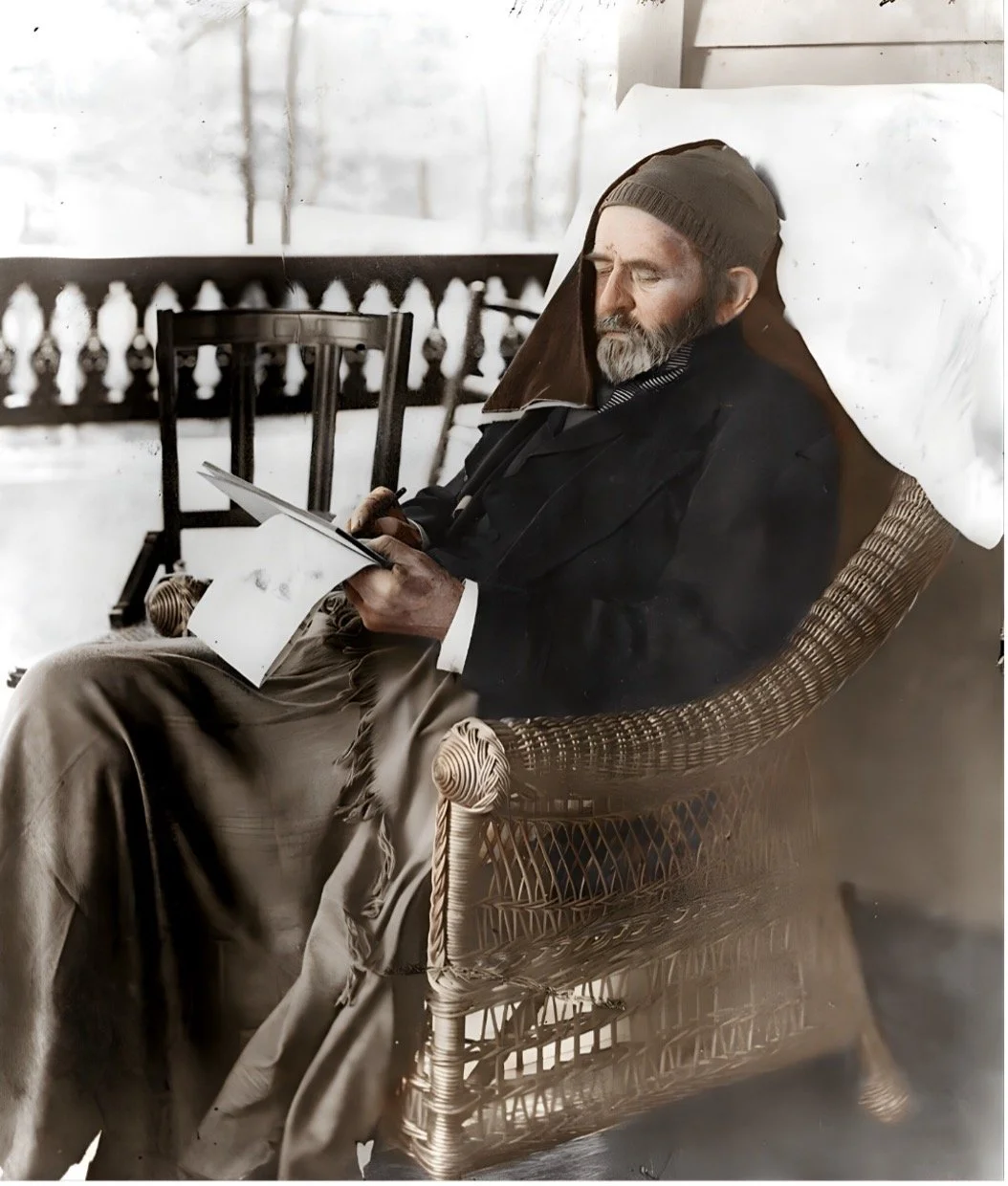
Ulysses S. Grant was writing his memoir shortly before his death from throat (larynx and pharynx) cancer in 1885.
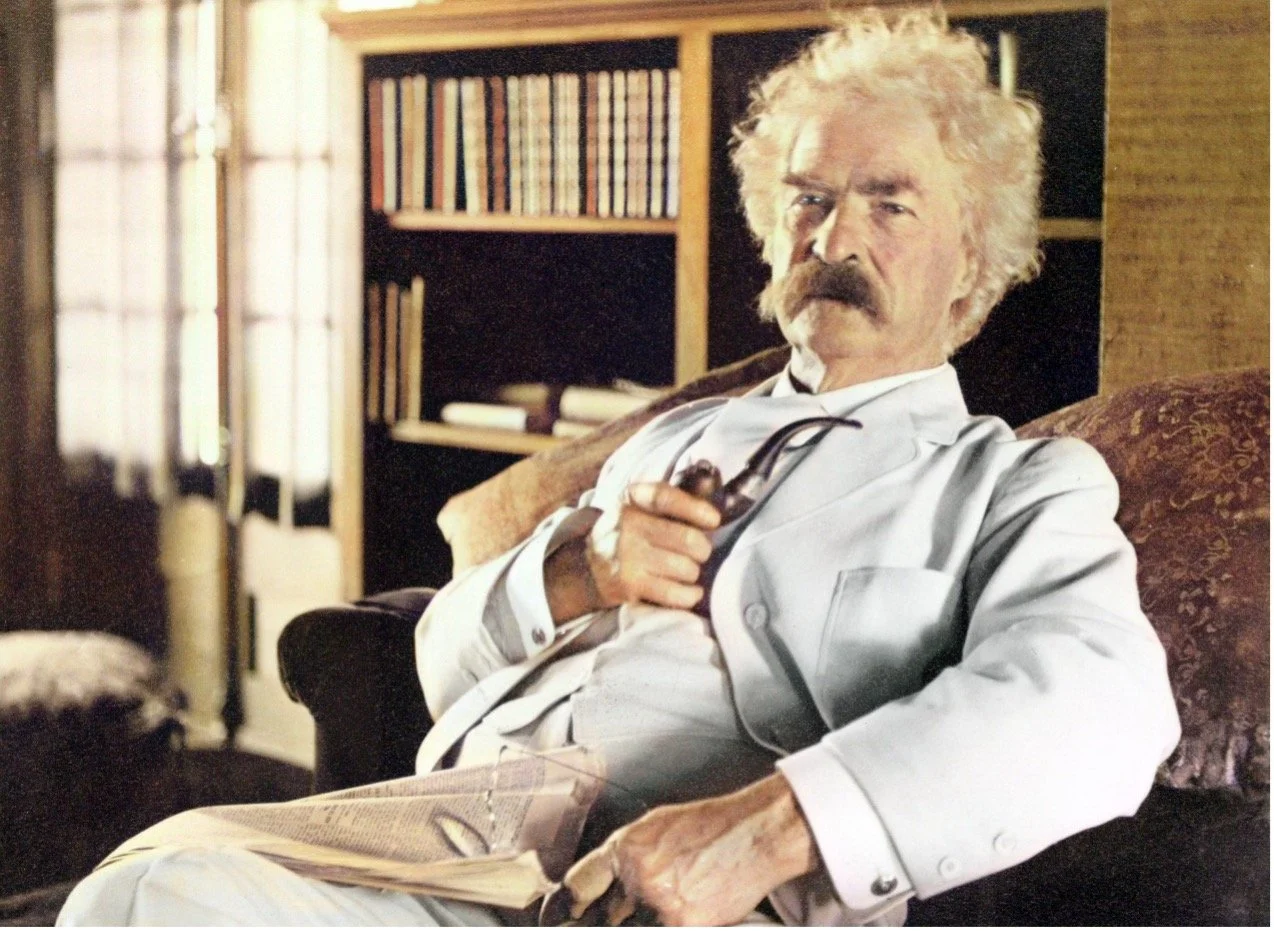
Samuel Clemens (Mark Twain) Classic Image/Alamy
Mark Twain (1835 – 1910), a longtime friend of Grant, encouraged him to write and publish his memoirs to alleviate his family’s impending poverty. Twain then retained Grant to write his memoir for Twain’s newly established publishing company, aiming to ensure lasting financial security for Grant’s family. Twain also extended a significant royalty advance to support Grant’s living expenses during the writing process. In his award-winning biography of Grant, Chernow describes the president as “a captivating raconteur.”
The world-renowned leader, who was well known for his stories, became voiceless from the aggressive, lethal cancer. Consequently, possessing only his recollections and accomplishments as assets, he began by narrating his memoir orally to a stenographer. However, as his cancer progressed, he found it necessary to personally record the story of his life in writing.
Grant was determined to set out to author his remarkable life story despite slowly dying of throat cancer. He penned the comprehensive, massive work with feverish intensity. To manage the intense pain, topical Cocaine was applied to his throat, a treatment reported a year earlier. In Europe Grant abstained from narcotics to maintain mental acuity and effectively achieved his goal of finishing the memoir. Cocaine is acknowledged for its anesthetic properties on mucous membrane sites and is also a central nervous system stimulant. This development also served as the pharmacological foundation that propelled topical anesthesia, enabling significant progress in laryngology in both the United States and Europe during the 20th century. It facilitated advanced procedures, including endolaryngeal mirror-guided interventions, direct laryngoscopy, tracheoscopy, and rigid bronchoscopy.
Twain took residence in Grant’s New York townhouse, where he edited the manuscript daily, with production up to 10,000 words per day. As Grant’s illness progressed and his voice became impaired by cancer, he shifted from dictating his work to recording it in writing. Towards the end, Grant wrapped a scarf around his neck to cover the massive tumor. Grant completed the manuscript in under a year and passed away from cancer one week later. His autobiography achieved remarkable success both as a literary work and in commercial sales. His wife, Julia, received approximately $15 million from book sales, adjusted for inflation.
Excerpt from Voice Journeys: A Surgeon’s Story.